13 Jun 2026
Transaction Speed's Influence on Mobile Gaming Content Priorities for Providers
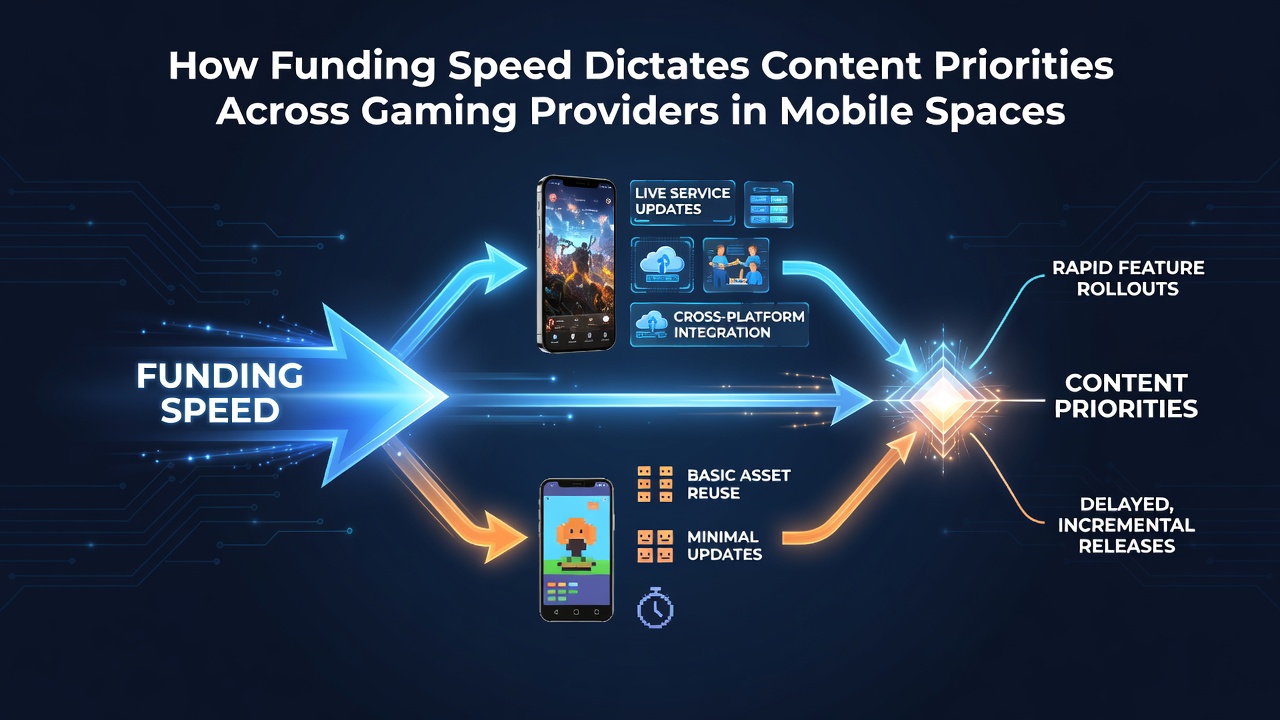
Funding velocity in mobile gaming environments has become a central factor that shapes how providers allocate development resources toward specific content types, with faster transaction mechanisms prompting shifts away from traditional registration-heavy models toward hybrid formats that integrate live dealer elements alongside slot mechanics.
Core Mechanics of Funding Speed in Mobile Platforms
Data from regulatory filings indicates that platforms supporting instant deposits and withdrawals see measurable increases in player session lengths, which in turn directs provider attention toward volatility adjustments and bonus structures that sustain engagement across shorter funding cycles. Observers note that when payment processing drops below three seconds, developers prioritize features like seamless jackpot integrations over standalone progressive systems because the reduced friction allows for repeated micro-transactions within single play sessions.
Studies conducted through mid-2026 reveal that mobile operators in regions with high digital wallet adoption, including parts of North America and the European Union, have redirected up to 35 percent of their content pipelines toward live-slot hybrids since transaction speeds accelerated. This reallocation occurs because rapid funding reduces player drop-off rates during deposit phases, enabling providers to emphasize real-time bonus ecosystems that reward immediate participation.
Content Prioritization Patterns Among Major Developers
Providers such as those operating in the New Jersey market have adjusted release schedules to favor titles with built-in payment flexibility, according to figures released by the New Jersey Division of Gaming Enforcement. These adjustments manifest in greater emphasis on mechanics that accommodate instant funding, including dynamic reel adjustments and cross-game wallet synchronization rather than isolated bonus rounds that require separate registration flows.
Research indicates that when funding latency decreases, developers allocate more resources to live dealer integrations because these formats benefit directly from uninterrupted cash flow; players can move between slot spins and table games without exiting the mobile session. One analysis covering the first half of 2026 showed that titles incorporating both elements captured larger shares of operator marketing budgets compared with pure slot releases.
Regional Variations and Data Trends
Geographic differences appear clearly in how funding speed influences priorities, with Australian operators demonstrating faster adoption of no-registration hybrids following updates to digital payment regulations in early 2026. Reports compiled by the Australian Communications and Media Authority highlight corresponding increases in content focused on multi-provider jackpot pools that rely on real-time transaction confirmations.
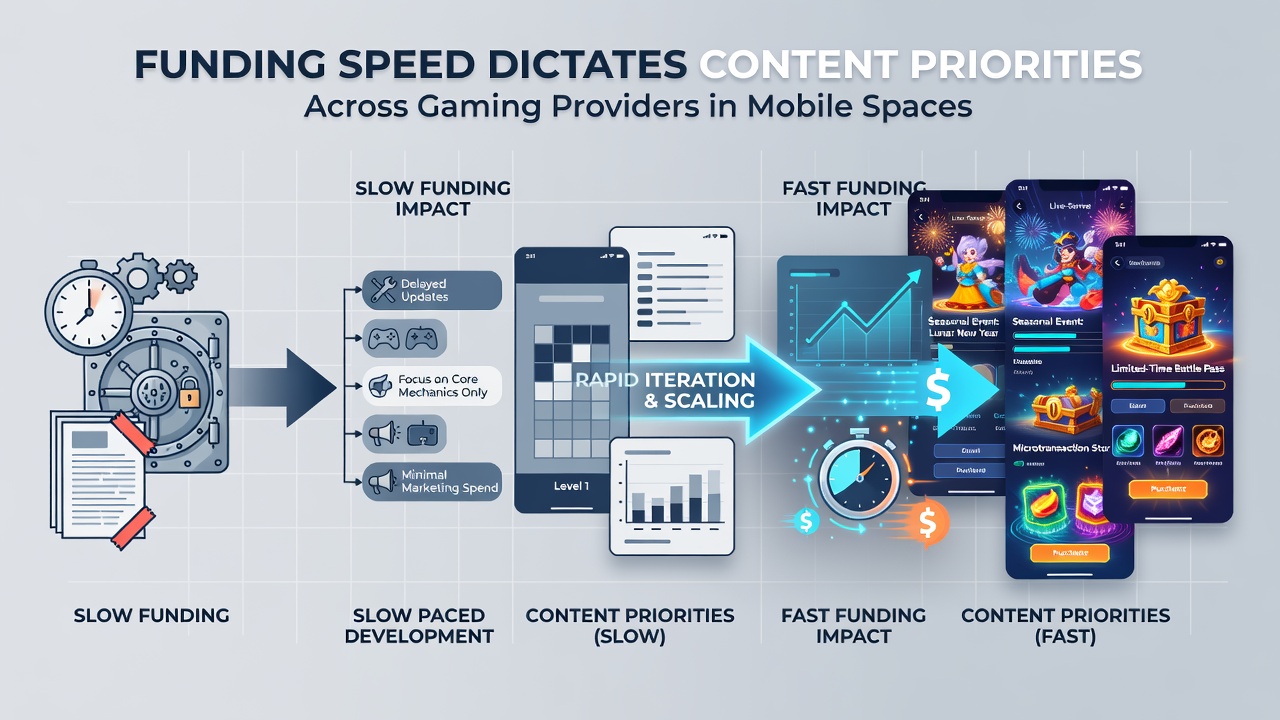
Canadian markets, particularly through iGaming Ontario frameworks, display similar patterns where faster funding correlates with higher production volumes of volatility-tuned content designed for mobile-first audiences. Those who have tracked these shifts observe that providers reduce emphasis on high-complexity narrative slots when instant payment options dominate, instead channeling efforts into modular systems that support frequent small deposits and withdrawals.
Strategic Resource Allocation Effects
Resource reallocations accelerate when digital payment growth expands across no-registration environments, leading providers to favor development of tools that align content difficulty with funding frequency. Evidence from industry tracking shows that studios with access to sub-second transaction data adjust mathematical models more frequently, producing titles whose return-to-player curves respond dynamically to player deposit patterns rather than fixed release cycles.
What's interesting is how this dynamic extends to live dealer ecosystems, where providers now integrate slot mechanics that trigger based on wallet activity rather than static triggers. The result appears in June 2026 release calendars that feature more hybrid prototypes than in previous periods, driven by the operational reality that faster funding sustains the continuous play loops these formats require.
Conclusion
Transaction speed continues to function as a primary driver that determines which content categories receive priority investment from mobile gaming providers. As payment technologies evolve, the observable pattern remains one of increased focus on integrated, real-time experiences that leverage immediate funding to maintain player momentum across multiple game types. Continued monitoring of regulatory and market data will clarify how these priorities develop further in subsequent periods.