3 Jun 2026
Synchronizing Digital Wallet Protocols and Volatility Adjustments in Hybrid Mobile Gaming Platforms
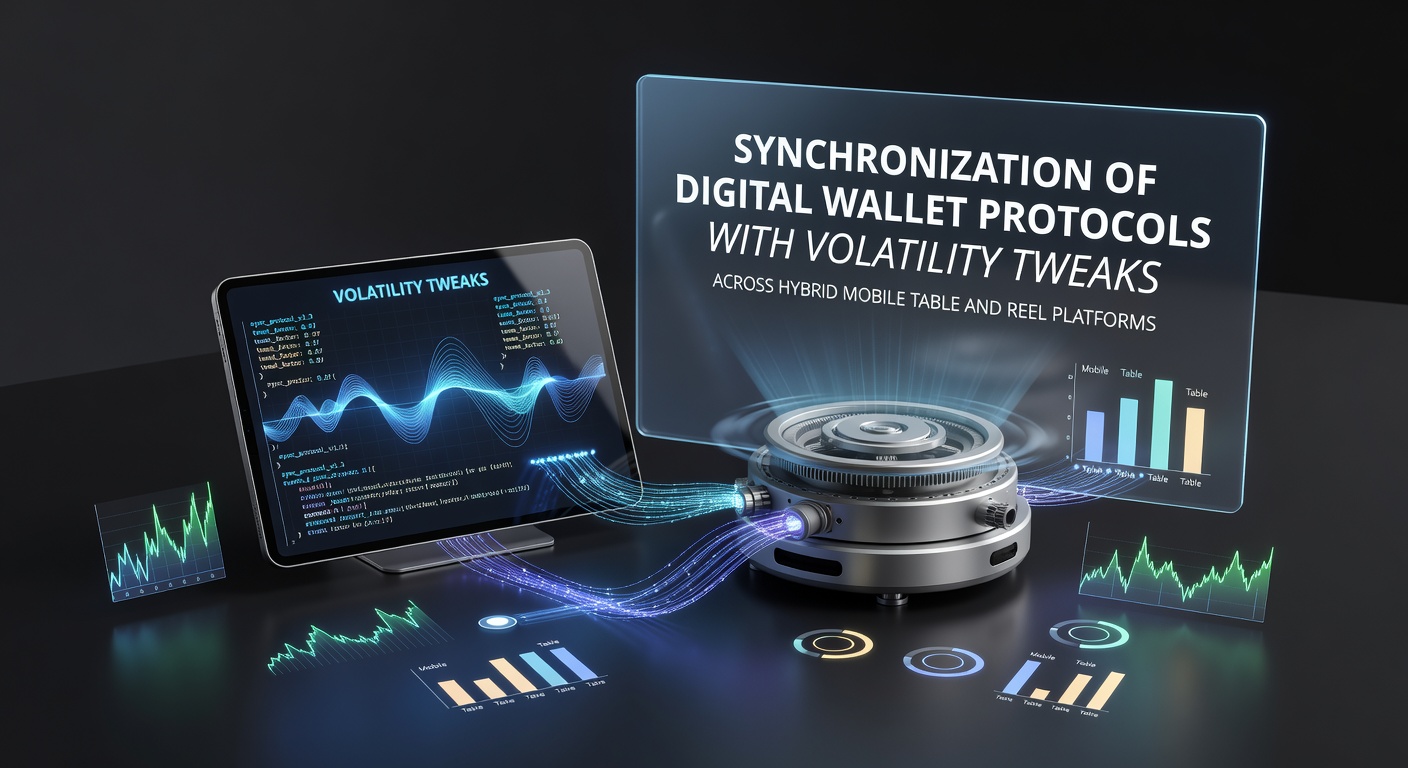
Digital wallet protocols now integrate directly with volatility adjustment systems in hybrid mobile environments that combine table games and reel-based formats, creating unified transaction layers capable of handling real-time data exchanges while operators apply targeted variance modifications across both game categories. These integrations rely on standardized API frameworks that transmit player balance updates, session metrics, and risk parameters simultaneously to backend servers responsible for both payment processing and game mathematics.
Core Components of Protocol Alignment
Wallet providers establish secure handshakes with game engines through encrypted token exchanges that occur at the start of each mobile session, allowing immediate recognition of user funding sources alongside the current volatility settings applied to individual titles. Reel platforms often require higher frequency micro-adjustments to maintain payout curves, whereas table environments operate with slower cycles tied to hand-by-hand outcomes, so the shared protocol must reconcile these differing update rhythms without introducing latency.
Developers achieve this reconciliation by embedding volatility flags within the same data packets that carry wallet authorization codes, which means a single synchronization event updates both payment status and game parameters before the player initiates the first spin or card draw. Research from the Australian Gambling Research Centre indicates that platforms using unified packet structures experience fewer reconciliation errors during cross-format sessions compared with systems that maintain separate channels for financial and mathematical data.
Implementation Across Mobile Hybrid Setups
Operators deploy these synchronized systems on hybrid apps that switch between reel mechanics and table simulations without requiring users to reload wallets or re-authenticate, a process that depends on persistent session tokens linked to volatility profiles stored in centralized ledgers. When market conditions prompt an operator to increase or decrease variance on a specific reel title, the change propagates through the wallet protocol layer so that any active balance displays reflect the new risk parameters instantly on the user's device.
Table game modules within the same hybrid application follow the same pathway, although their volatility tweaks typically focus on side-bet frequencies and payout multipliers rather than reel stop distributions. This shared infrastructure reduces the need for duplicate compliance checks because regulators receive unified reports that cover both game types through the same data stream.
Developments Reported in Mid-2026
By June 2026 several major platform providers had completed phased rollouts of next-generation synchronization modules that support dynamic volatility scaling based on real-time wallet inflow patterns. These modules allow operators to correlate deposit velocity with variance settings across entire portfolios of mobile titles, producing aggregated compliance datasets that satisfy requirements from multiple jurisdictions simultaneously. Data published by the Nevada Gaming Control Board shows increased adoption of such combined reporting formats among licensees operating hybrid applications during the first half of the year.

Industry observers note that these updates also incorporate fallback protocols that isolate wallet functions if volatility adjustment servers experience temporary outages, thereby preserving transaction integrity while mathematical parameters revert to baseline configurations. Academic analyses from the University of Nevada, Las Vegas Center for Gaming Research have examined the resulting data flows and identified measurable reductions in session interruption rates when synchronization occurs at the packet level rather than through sequential API calls.
Regulatory and Technical Considerations
Regulators in multiple regions now request evidence that volatility changes cannot be applied retroactively to completed transactions, a requirement met through timestamped ledger entries embedded within each wallet protocol exchange. This approach ensures audit trails remain consistent regardless of whether a player switches from a reel session to a table session mid-balance. External testing laboratories verify that the combined systems maintain certified random number generation outputs even when volatility parameters update mid-session, a verification step that has become standard in certification processes for hybrid mobile platforms.
Conclusion
The synchronization of digital wallet protocols with volatility adjustments continues to evolve as hybrid mobile environments expand their feature sets, with ongoing refinements focused on reducing latency between financial authorization and game parameter application. Continued collaboration between payment processors, game developers, and regulatory bodies supports the technical standards required for consistent operation across table and reel formats on mobile devices.