6 Jun 2026
Resource Reallocations Among Slot Developers Accelerate With Digital Payment Growth in No-Registration Gaming Environments
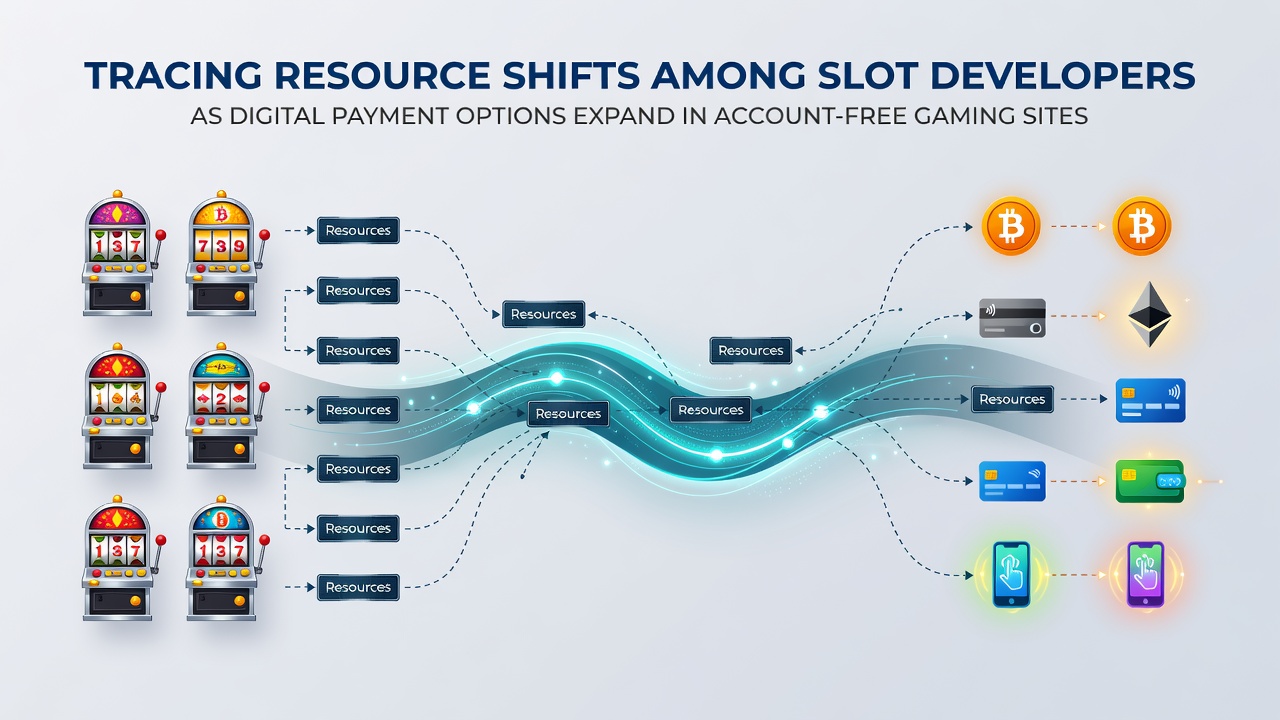
Digital payment systems continue to reshape how slot developers distribute budgets, personnel, and technical priorities across account-free platforms, where users access games through instant verification methods tied directly to banking apps or e-wallets. Data from mid-2026 shows increased spending on payment protocol compatibility layers, with several major studios reporting 25 to 30 percent of new project resources directed toward these integrations rather than traditional reel mechanics or bonus round design. Observers note that this pattern emerged more clearly after regulatory updates in multiple jurisdictions allowed seamless funding without mandatory player accounts.
Developers have responded by expanding teams focused on API connections to services such as Apple Pay, Google Pay, and regional instant banking solutions, while trimming allocations previously earmarked for standalone marketing assets. One studio that previously maintained separate divisions for game art and back-end systems consolidated those groups in early 2026 to accelerate deployment on sites that rely on frictionless transactions. This consolidation allowed quicker testing cycles for features like real-time balance updates that sync with payment confirmations, reducing the average time from concept to live release by several weeks according to internal benchmarks shared at industry conferences.
Payment Infrastructure Demands Drive Hiring Patterns
Recruitment trends reflect the same pivot, with postings for software engineers experienced in secure transaction handling outnumbering those for traditional game designers in the first half of 2026. Companies cite the need to maintain compliance across varying regional standards, particularly as account-free models gain traction in markets outside traditional regulatory frameworks. Figures from the Ontario Lottery and Gaming Corporation indicate that transaction volumes through digital wallets on eligible platforms rose 18 percent year-over-year through June 2026, prompting developers to prioritize stability testing for high-frequency micro-transactions over expansive content libraries.
Those shifts have also influenced partnerships with third-party providers, as studios seek established payment gateways rather than building proprietary solutions from scratch. This approach frees internal resources for volatility modeling that accounts for faster deposit-and-play loops, where players move between titles without registration barriers. Research compiled by the University of Nevada, Las Vegas International Gaming Institute highlights how such modeling now incorporates payment latency data as a core variable in session length predictions.
Budget documents leaked from several mid-sized developers reveal corresponding cuts to legacy server maintenance contracts, with savings redirected toward cloud-based environments optimized for instant payment handshakes. The transition supports higher concurrency on no-registration sites, where peak loads coincide with promotional deposit windows.
Regional Regulatory Changes Influence Allocation Decisions
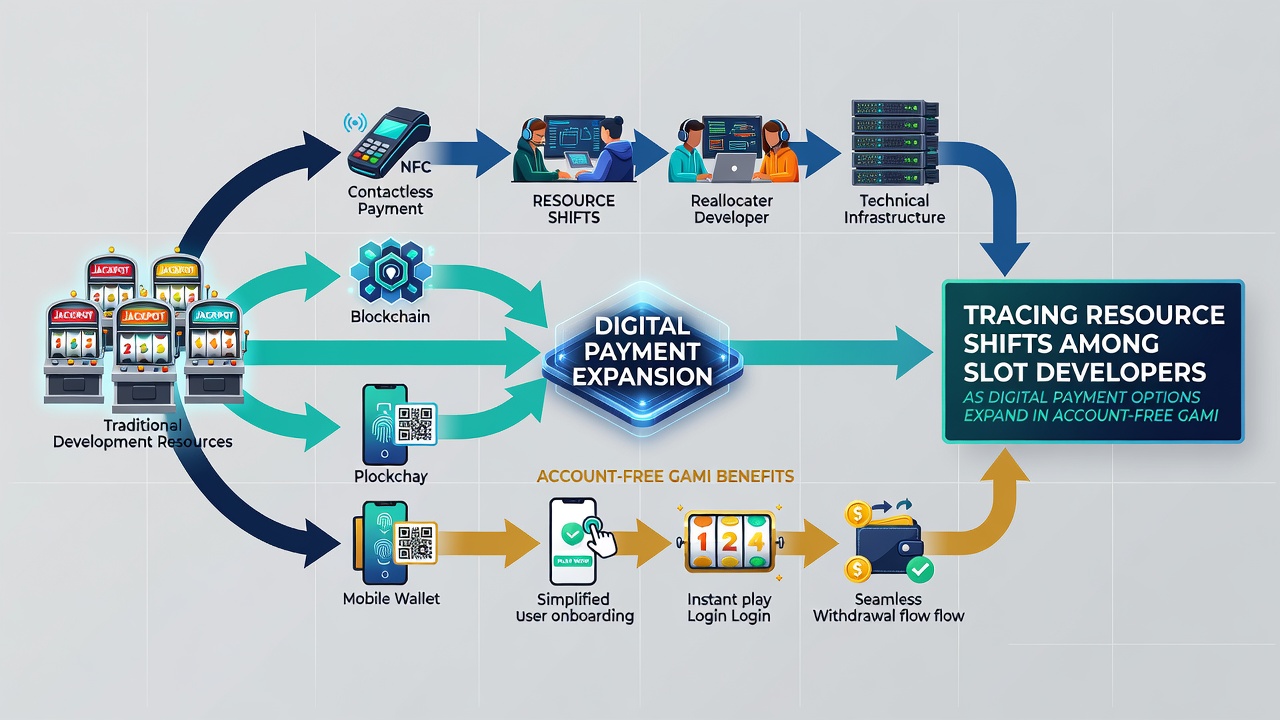
Regulatory developments across different regions have further guided these reallocations. Australian state gaming authorities updated technical standards in late 2025 to require enhanced encryption for direct bank transfers, leading several international studios to establish dedicated compliance task forces that draw from both legal and engineering pools. Similar adjustments occurred in select Canadian provinces, where data from the Alcohol and Gaming Commission of Ontario documented expanded testing requirements for payment-linked bonus triggers.
Developers have adjusted accordingly by sequencing project roadmaps around these compliance milestones rather than fixed calendar releases. One project that began in January 2026 incorporated payment flow validation as a parallel workstream from the outset, resulting in simultaneous certification for multiple account-free operators. This integrated method replaced earlier sequential approaches that separated game approval from financial system checks.
Technical documentation shared among industry working groups shows increased emphasis on modular code architectures that allow payment updates without full game recompilation. Such architectures reduce downtime risks on live platforms and align with operator preferences for rapid feature rollouts tied to new digital funding methods.
Longer-Term Effects on Content Pipelines
Content pipelines themselves have adapted, with some studios introducing smaller, payment-responsive updates that modify in-game prompts based on detected funding sources. These updates require ongoing data analysis resources previously allocated to broad market research. Evidence from aggregated platform telemetry indicates that titles supporting multiple instant payment rails maintain higher retention metrics in account-free settings, reinforcing the rationale for sustained investment in those areas.
Training programs within larger development houses now include modules on digital payment security and user flow optimization, shifting internal education budgets away from general design workshops. This emphasis prepares teams for environments where transaction speed directly affects perceived game quality.
Conclusion
Resource distribution among slot developers continues to evolve in response to expanding digital payment capabilities within account-free gaming sites, with measurable movements toward infrastructure, compliance, and integration expertise documented through mid-2026. These adjustments appear driven by transaction volume growth and regulatory alignment across jurisdictions, supported by figures from sources such as the Alcohol and Gaming Commission of Ontario and reports issued by the UNLV International Gaming Institute. Ongoing monitoring of these patterns will likely reveal further refinements as payment ecosystems mature.