15 Jul 2026
Resource Distribution Trends in Mobile Gaming Development Triggered by Jackpot Series Growth and Frictionless Payment Integration
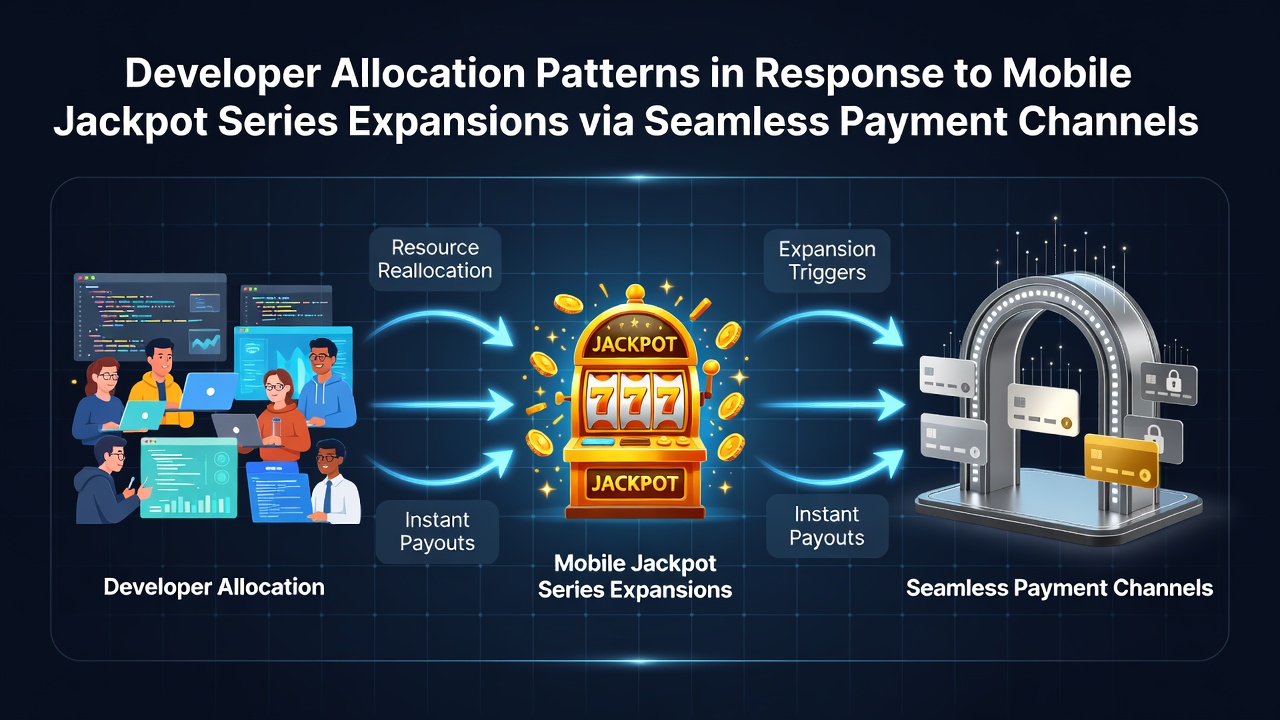
Data from industry tracking services shows mobile jackpot series have expanded at a steady pace since early 2025, with developers redirecting engineering hours toward modular bonus architectures that scale across multiple titles in a single franchise, while seamless payment channels reduce onboarding friction and increase session frequency, prompting teams to prioritize backend infrastructure that supports real-time prize pooling and cross-game progression tracking.
Observed Shifts in Engineering Focus
Research indicates developers allocate larger portions of their budgets to API integrations that connect instant funding mechanisms directly to jackpot meters, because these connections allow prize values to update without manual intervention and this technical requirement draws resources away from standalone game mechanics toward shared ledger systems, according to figures released by the Canadian Gaming Association in quarterly reviews covering Q2 2026.
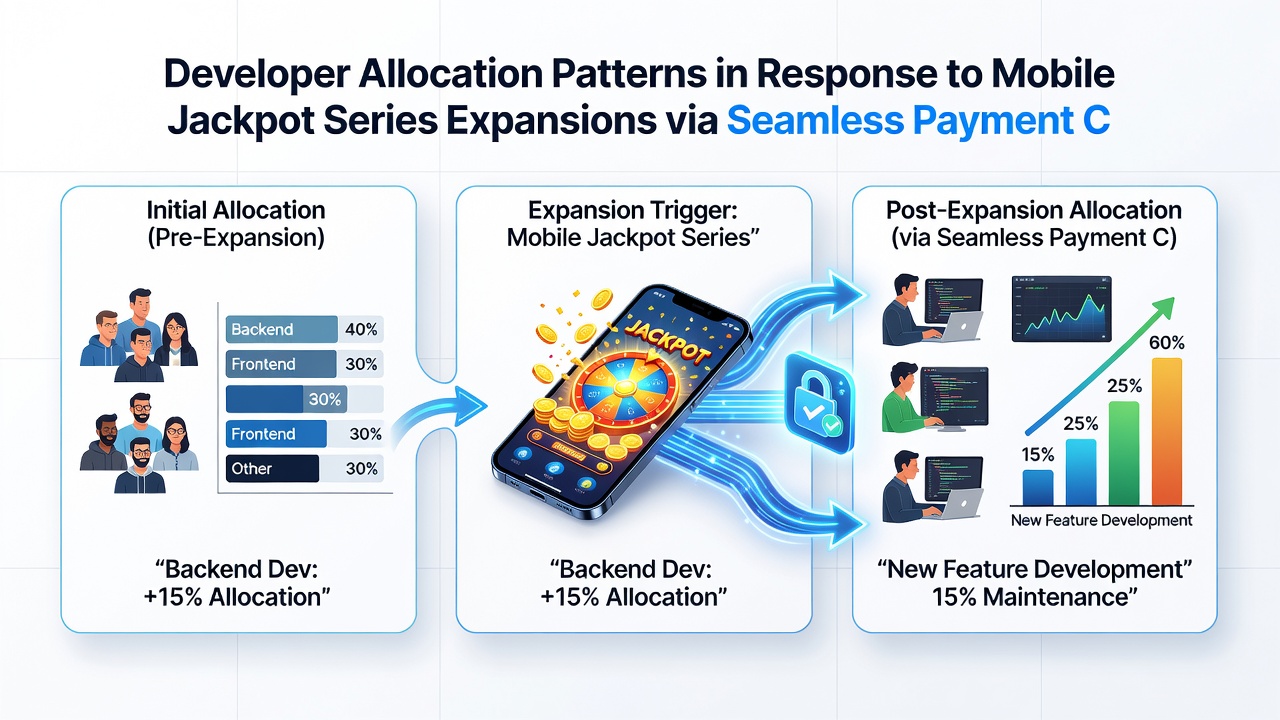
Teams that previously split time evenly between visual design and backend logic now dedicate roughly 60 percent of project timelines to payment-layer stability testing, since transaction velocity directly influences how quickly accumulated jackpots can be displayed across mobile sessions without latency spikes that frustrate players.
Payment Channel Influence on Team Structures
Analysts tracking studio workflows note that companies operating multiple mobile-first studios have created dedicated payment-protocol squads whose members coordinate with external wallet providers, freeing core game developers to concentrate on content pipelines that feed new installments into ongoing jackpot series, and this division of labor emerged most clearly in projects launched between March and June 2026.
One documented case involved a mid-sized European studio that reassigned six senior engineers from volatility modeling tasks to real-time reconciliation modules after internal metrics revealed that seamless deposit success rates above 98 percent correlated with a 34 percent rise in jackpot participation across linked games.
Regional Variations in July 2026 Data
July 2026 reports compiled by the Australian Gambling Research Centre highlight that studios serving the Asia-Pacific region directed an additional 22 percent of their quarterly headcount toward localization of payment interfaces, because regulatory frameworks in several markets require transaction logs to be stored locally while still feeding global jackpot pools, creating dual-compliance workloads that did not exist in earlier development cycles.
North American operators, by contrast, show heavier investment in fraud-detection layers that sit between seamless funding tools and jackpot engines, according to aggregated telemetry shared at the Gaming Analytics Summit held that same month, with allocation patterns reflecting stricter consumer-protection statutes that demand millisecond-level audit trails.
Longer-Term Reallocation Patterns
Longitudinal studies conducted by academic researchers at the University of Nevada, Las Vegas demonstrate that once a studio commits to a multi-title jackpot series supported by instant-payment rails, subsequent projects receive progressively smaller shares of original creative staff and larger shares of integration specialists, because the foundational architecture established in the first release reduces the need for repeated ground-up coding while increasing demand for ongoing maintenance of shared services.
These patterns hold across both large publishers and independent teams, although smaller studios tend to outsource payment certification work rather than expand internal headcount, resulting in different cost structures but similar overall time reallocations.
Conclusion
Evidence gathered through mid-2026 indicates that mobile jackpot series expansions continue to drive measurable redistribution of developer resources toward payment-channel reliability, shared ledger maintenance, and compliance tooling, while traditional game-design functions receive comparatively less incremental staffing, and these trends are expected to persist as seamless transaction volumes grow across licensed markets.