30 May 2026
Regulatory Shifts Reshaping Reward Networks Across Multi-Provider Mobile Platforms
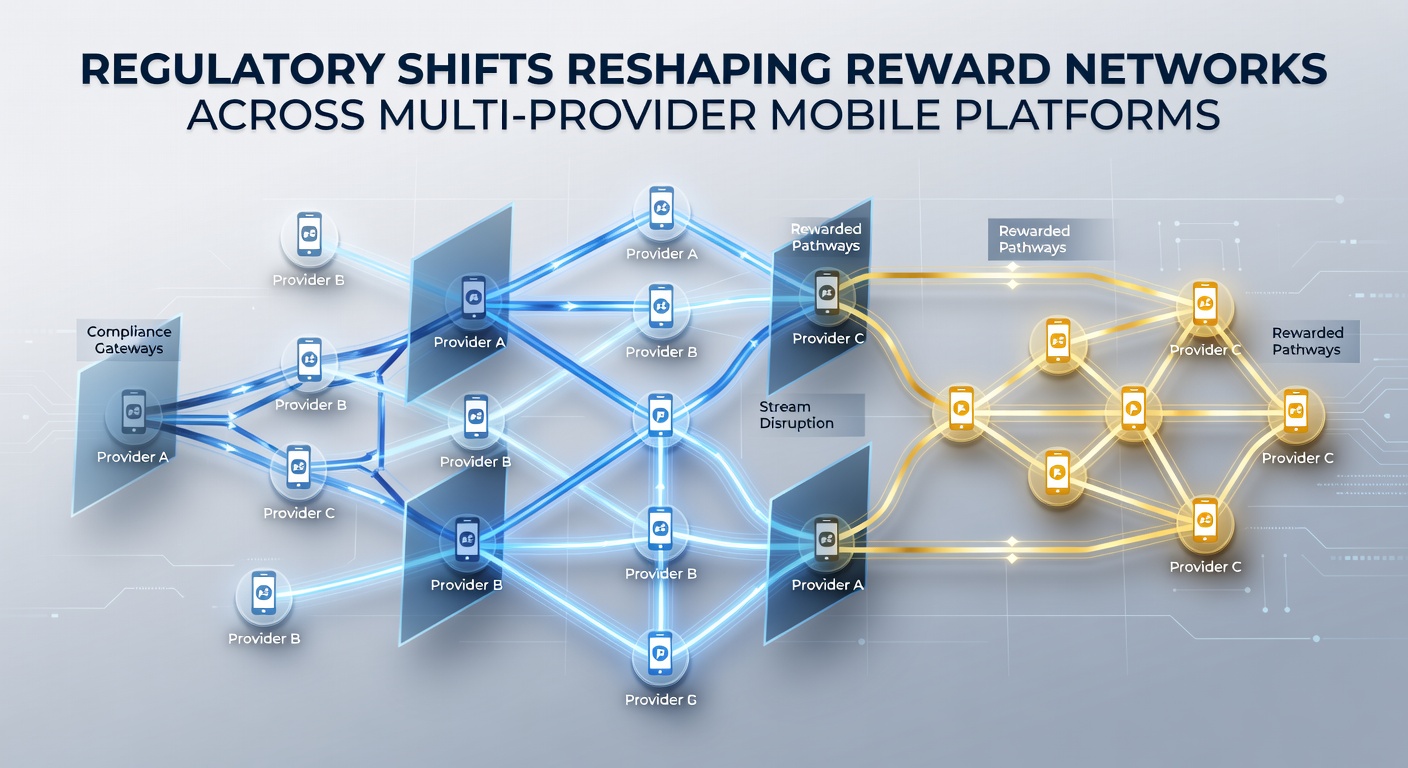
Regulatory frameworks governing digital incentives continue to evolve at a rapid pace, and observers note that these changes directly influence how reward networks operate within multi-provider mobile ecosystems, where various service providers integrate loyalty programs, bonus structures, and user engagement tools on shared platforms. Data from industry analyses indicates that governments and oversight bodies across multiple regions have introduced updated compliance requirements since early 2025, which in turn compel platforms to redesign their reward allocation mechanisms to maintain interoperability while adhering to new standards for transparency, data handling, and consumer protection.
Key Regulatory Developments in 2026
By May 2026 several jurisdictions have enacted or refined rules that target cross-provider data flows and incentive distributions, and these measures affect everything from point redemption processes to algorithmic reward personalization in mobile applications. The European Commission updated its digital services guidelines to emphasize stricter oversight of automated reward systems, which requires platforms operating across multiple providers to implement auditable tracking for all incentive transactions. Meanwhile, Australia's Communications and Media Authority released fresh directives on consumer data usage in mobile reward programs, mandating that providers disclose how user behavior influences reward eligibility across integrated services.
Canadian federal and provincial authorities have also advanced coordinated approaches, and research from academic institutions such as those affiliated with the University of Toronto highlights how these layered regulations create both challenges and opportunities for mobile platform operators managing diverse provider partnerships. Figures reveal that platforms must now allocate additional resources toward compliance verification, which often involves real-time monitoring tools capable of handling simultaneous inputs from several reward sources without compromising user experience or network stability.
Effects on Multi-Provider Integration
Multi-provider mobile platforms face particular pressure because reward networks typically rely on seamless data exchange between entities, yet new rules demand explicit consent mechanisms and segmented data storage that can fragment previously unified systems. Experts have observed that operators respond by adopting modular architectures where each provider maintains control over its reward logic while a central orchestration layer ensures overall compliance. This approach allows continued functionality even as individual regulations shift, and studies indicate that such designs reduce the risk of service disruptions during enforcement transitions.
What's interesting is how these adaptations extend to algorithmic components that determine reward distribution, and developers now incorporate audit trails that log every decision point in the personalization process. Industry reports from organizations tracking digital commerce show that platforms incorporating these features experience smoother regulatory reviews, particularly when operating across borders where rules differ significantly between regions.
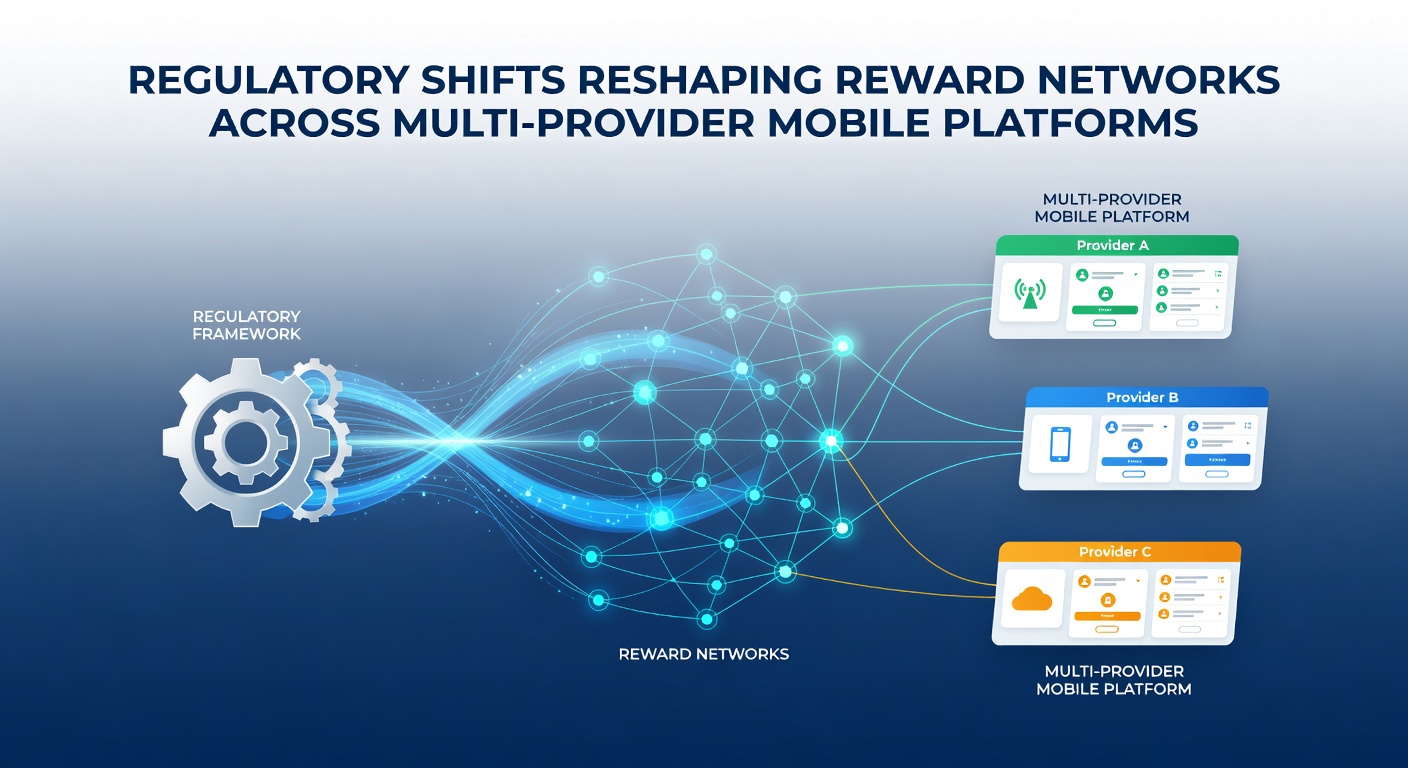
Take one case where a major mobile ecosystem integrated rewards from gaming, retail, and financial service providers, and the platform had to overhaul its central database to isolate sensitive transaction details per regulatory zone. That adjustment preserved cross-provider functionality while satisfying distinct regional mandates, and similar patterns appear in other deployments documented throughout 2025 and into 2026.
Technological Responses and Operational Adjustments
Platform engineers increasingly turn to advanced encryption and consent management protocols to meet evolving standards, and these tools enable granular control over which providers access specific user data tied to rewards. Research indicates that adoption rates for such technologies have risen steadily since the start of the year, driven by the need to support dynamic reward calculations that factor in compliance variables without introducing latency for end users. Observers note that this technical evolution also opens pathways for more sophisticated analytics, allowing platforms to refine reward offerings based on aggregated, anonymized trends rather than individual profiles where restrictions apply.
Yet the reality is that smaller providers within these networks sometimes struggle with the implementation costs, which leads larger platforms to offer shared compliance infrastructure as part of partnership agreements. Data shows that collaborative models of this type help maintain network diversity, preventing consolidation that might otherwise reduce consumer choice in mobile reward options.
Regional Variations and Global Coordination
Differences persist between regulatory environments, and while some areas prioritize rapid implementation of consumer safeguards, others focus on fostering innovation through phased rollouts. The Infocomm Media Development Authority in Singapore has introduced pilot programs that test reward network modifications in controlled mobile environments, providing data that informs broader policy decisions. In parallel, reports from the National Association of Attorneys General in the United States outline state-level initiatives that address incentive transparency in multi-app mobile experiences, creating a patchwork that platforms must navigate carefully.
Those who've studied these shifts understand that global coordination remains limited, yet industry associations work to establish voluntary best practices that bridge gaps between jurisdictions. Such efforts help platforms anticipate upcoming changes and adjust reward structures proactively rather than reactively.
Conclusion
Regulatory shifts continue to drive substantial modifications to reward networks operating across multi-provider mobile platforms, and the adaptations seen through May 2026 demonstrate both the complexity and the resilience of these systems. Platforms that invest in flexible compliance frameworks alongside technological upgrades position themselves to sustain integrated reward experiences despite ongoing policy developments in various regions. As coordination improves and shared standards emerge, the underlying structures supporting these networks appear likely to become more robust and adaptable over time.