1 Jul 2026
Rapid Settlement Protocols Redirecting Creative Focus Among Portable Chance Game Studios
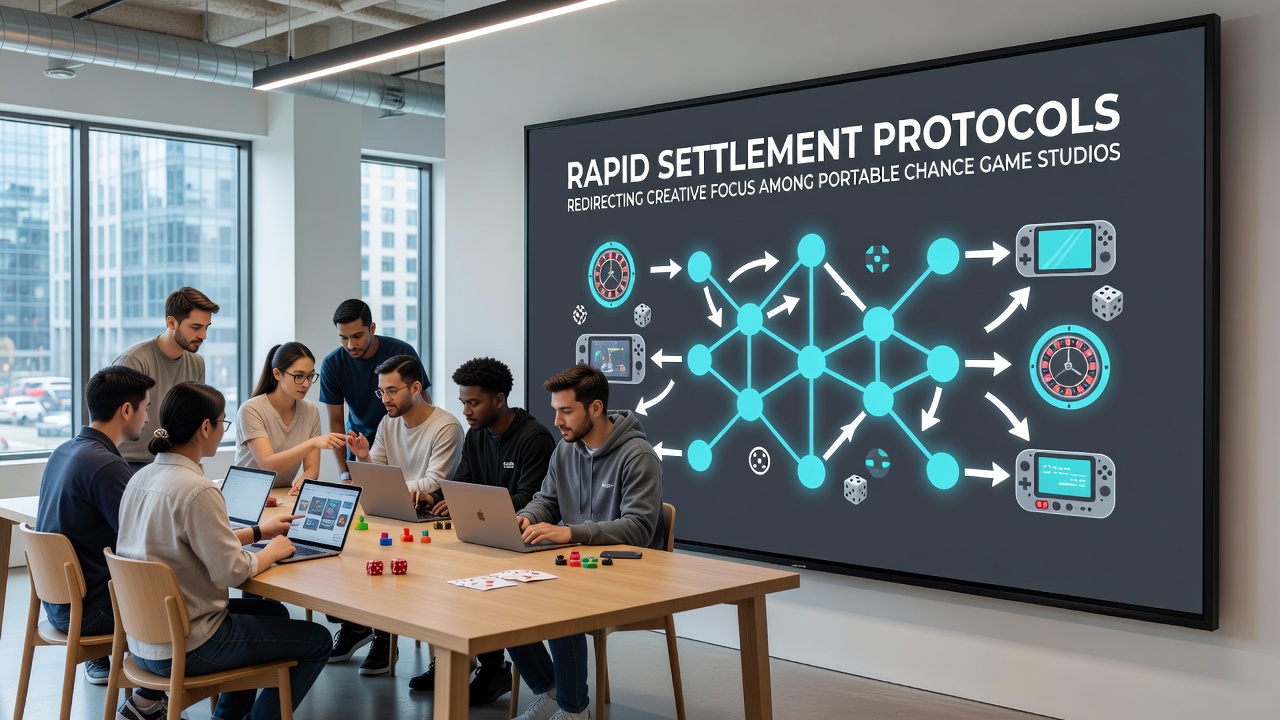
Portable chance game studios have started reallocating development resources as rapid settlement protocols gain traction across mobile platforms, and this shift has altered how teams approach game mechanics, bonus structures, and volatility settings. Data from industry tracking services shows that studios now dedicate fewer engineering hours to payment gateway maintenance, which frees capacity for narrative design and visual asset creation.
Payment Velocity Changes Studio Workflows
Transaction speed improvements in no-registration environments have prompted developers to examine their internal priorities, while research indicates that studios previously split efforts between compliance layers and creative pipelines. Now those same groups consolidate backend work through standardized APIs, and this consolidation has produced measurable time savings according to reports compiled by the American Gaming Association. Observers note that teams complete asset iterations faster when fewer staff members handle settlement troubleshooting.
Resource Reallocation Patterns in July 2026
Figures compiled during July 2026 reveal that multiple portable studios increased their art and sound department headcounts by an average of 18 percent compared with the prior year. At the same time, backend integration roles declined in proportion because standardized wallet connections reduced the need for custom coding. One studio documented in an internal case study shifted four full-time engineers from payment modules to reel animation upgrades within a single quarter, and similar moves appear across several mid-sized developers.
Those who've examined studio budgets find that licensing fees for settlement services now appear as fixed line items rather than variable project costs, which simplifies forecasting. Consequently, creative leads receive larger discretionary allocations for experimental features such as adaptive soundtrack layers and procedurally generated environments.
Impact on Game Design Priorities
Design documents from recent releases demonstrate greater emphasis on thematic depth and character progression systems, while earlier titles focused more on payment-triggered bonus triggers. Researchers at the University of Nevada, Las Vegas documented this pattern through content analysis of 47 mobile titles launched between January and June 2026. Their findings show a 27 percent rise in narrative cutscenes per game, accompanied by reduced reliance on deposit-timed events.
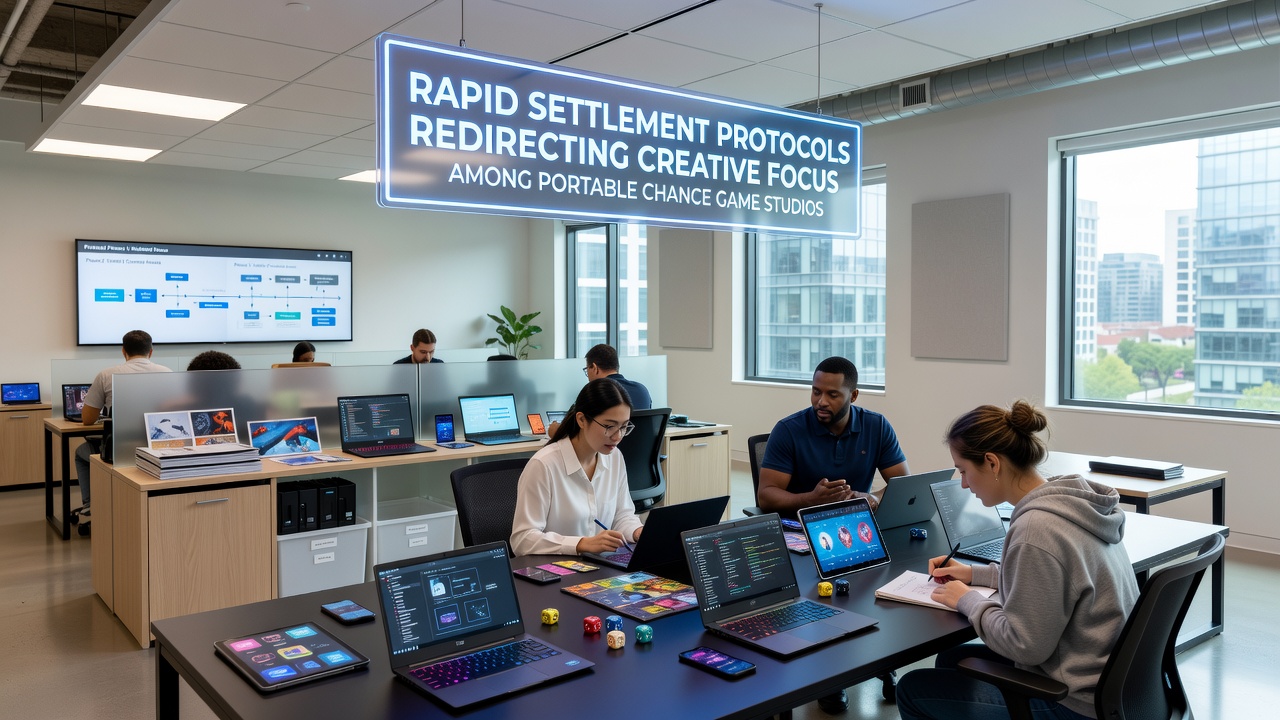
Yet the transition does not eliminate all payment considerations, because regulatory reporting still requires accurate transaction logs. Studios therefore maintain small compliance units that interface with external auditors rather than building entire departments around settlement infrastructure. This leaner structure allows project managers to approve experimental volatility curves without waiting for lengthy payment certification cycles.
Regional Regulatory Influences on Development
Canadian provincial frameworks and Australian state guidelines both encourage standardized settlement reporting formats, and these expectations have accelerated adoption of shared technical standards among developers. Studios serving multiple jurisdictions report that unified APIs satisfy most oversight requirements, which reduces duplication of effort. The Malta Gaming Authority has published updated technical specifications that further streamline certification for rapid settlement features, and several European developers cite these documents when planning resource distribution.
Industry associations such as the International Gaming Standards Association continue to refine interoperability guidelines, which helps smaller studios avoid proprietary lock-in. As a result, independent teams allocate more calendar time to playtesting sessions and less to reconciling disparate payment ledgers.
Longer Development Cycles for Core Features
Extended timelines for reel mathematics and bonus round balancing have become common, because freed engineering hours flow directly into these areas. One mid-sized studio extended its typical release cycle from nine weeks to eleven weeks, using the additional fortnight to refine multiplier progressions and introduce layered wild mechanics. Players encounter these refinements through more frequent balance patches that address volatility feedback collected from live environments.
Data collected by academic groups tracking mobile engagement metrics shows corresponding increases in session duration on titles that benefited from the reallocated focus. Retention curves flatten later in the player lifecycle when creative elements receive sustained attention, and this pattern holds across multiple device types.
Conclusion
Portable chance game studios continue to adapt their internal structures around rapid settlement protocols, which has produced measurable redirection of creative capacity. Resource patterns observed through mid-2026 suggest that this trend will persist as standardized wallet integrations become baseline infrastructure. Studios that document these shifts report consistent gains in design iteration speed and thematic complexity, while compliance overhead remains contained through shared industry frameworks.