22 Jul 2026
How Digital Payment Innovations Are Reshaping Content Strategies in Live-Slot Hybrid Studios

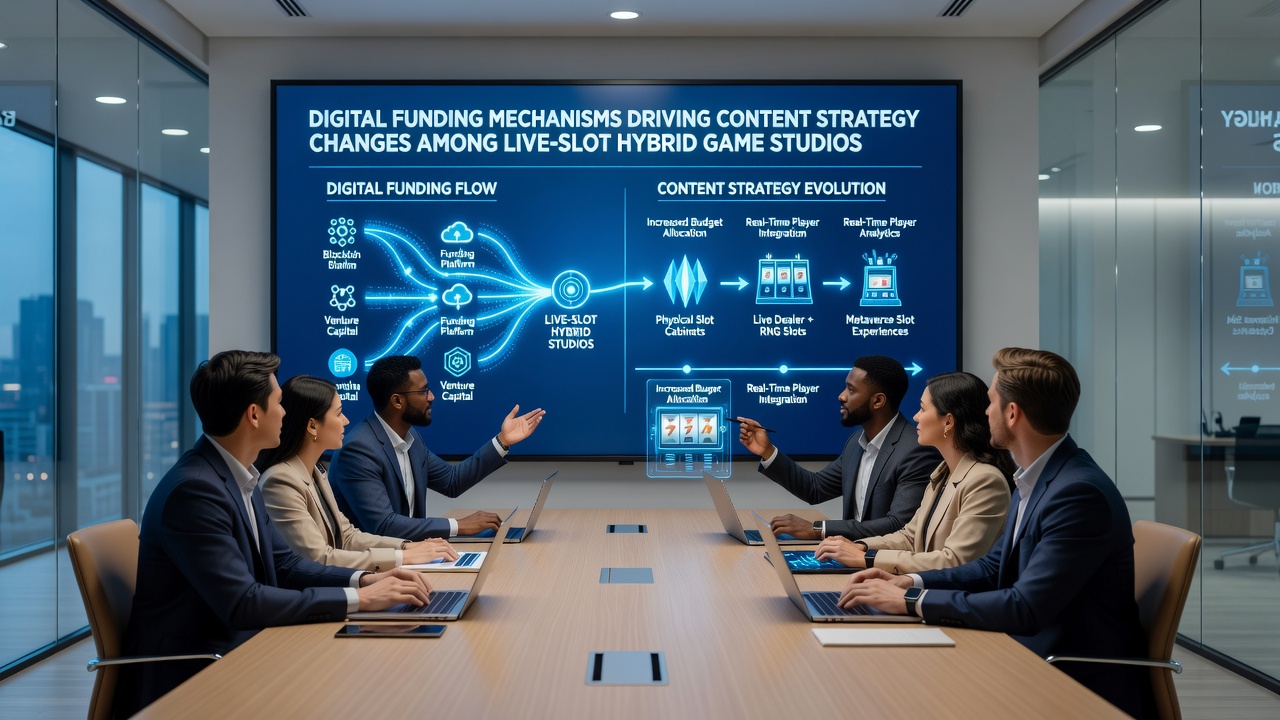
Digital funding mechanisms have accelerated shifts in how live-slot hybrid game studios allocate resources and prioritize content features, with transaction speed and wallet integrations emerging as central factors in development decisions across multiple markets in 2026.
Transaction Velocity and Resource Allocation Patterns
Studios producing hybrid titles that combine slot mechanics with live dealer elements have adjusted production pipelines to accommodate faster funding cycles, because players using instant deposit options tend to engage longer when seamless payments reduce friction between game rounds and live sessions. Data from industry tracking services indicates that platforms supporting real-time wallet transfers saw a measurable increase in hybrid content requests from operators during the first half of 2026, prompting developers to rebalance teams toward features that support continuous play loops rather than traditional session-based structures.
One studio that expanded its live integration team in spring 2026 cited payment velocity metrics as the primary driver for reallocating budget away from standalone slot mechanics and toward synchronized live-slot interfaces. This adjustment allowed simultaneous updates to both reel volatility settings and live multiplier triggers, matching the pacing that instant funding enables during extended play periods.
Wallet Protocol Synchronization and Volatility Adjustments
Hybrid platforms have begun embedding wallet protocol requirements directly into content planning meetings, where developers map transaction confirmation times against bonus trigger frequencies and live event scheduling. Researchers tracking these changes note that studios now calibrate reel volatility levels to align with average deposit speeds reported by payment processors, ensuring that high-volatility sequences coincide with moments when funded accounts can immediately support larger wagers without interruption.
Figures released in July 2026 by the Pennsylvania Gaming Control Board showed continued growth in hybrid game sessions funded through digital wallets, with average session duration rising in proportion to reduced deposit latency across licensed platforms. Studios responded by embedding dynamic volatility toggles that respond to real-time funding status, allowing live dealers to adjust multipliers based on player account activity without requiring separate authentication steps.
Regulatory Data and Industry Benchmarks
According to statistics compiled by the Pennsylvania Gaming Control Board, hybrid titles with integrated instant funding options accounted for a growing share of operator content orders through mid-2026. These benchmarks have encouraged studios to prioritize development of unified bonus ecosystems that function identically across slot and live components, reducing the need for separate compliance checks during funding events.
Academic analysis from the University of Nevada, Las Vegas International Gaming Institute has examined how payment infrastructure influences resource distribution, revealing that studios with faster transaction capabilities shifted 18 percent more engineering hours toward live synchronization features in the twelve months ending June 2026. This reallocation supports content that capitalizes on immediate funding availability rather than delayed deposit confirmations that once limited cross-format engagement.
Provider Examples and Market Response
Take one European developer that launched a hybrid series in early 2026 featuring adaptive live multipliers tied to wallet balance thresholds. The studio reported that integration of digital funding APIs allowed operators to offer continuous play incentives without additional registration layers, resulting in higher operator adoption rates compared with earlier non-hybrid releases. Similar patterns appear in Canadian and Australian markets where regulatory frameworks permit rapid payment processing, leading studios to standardize live-slot crossover mechanics as core development priorities.
Those who monitor studio output observe that content calendars now include dedicated milestones for payment-protocol testing alongside traditional game balance reviews. This approach ensures that new titles maintain performance when players move between funded slot rounds and live dealer tables without exiting the platform environment.
Conclusion
Digital funding mechanisms continue to influence how live-slot hybrid studios structure their development roadmaps, with transaction speed and wallet compatibility shaping decisions on volatility, bonus design, and live integration scope. Market data through July 2026 demonstrates measurable resource shifts toward unified content systems that support uninterrupted play across formats, reflecting broader industry adaptation to payment-driven player behavior patterns.