8 Jun 2026
Electronic Payment Trends Prompting Strategic Adjustments in Mobile Gaming Development
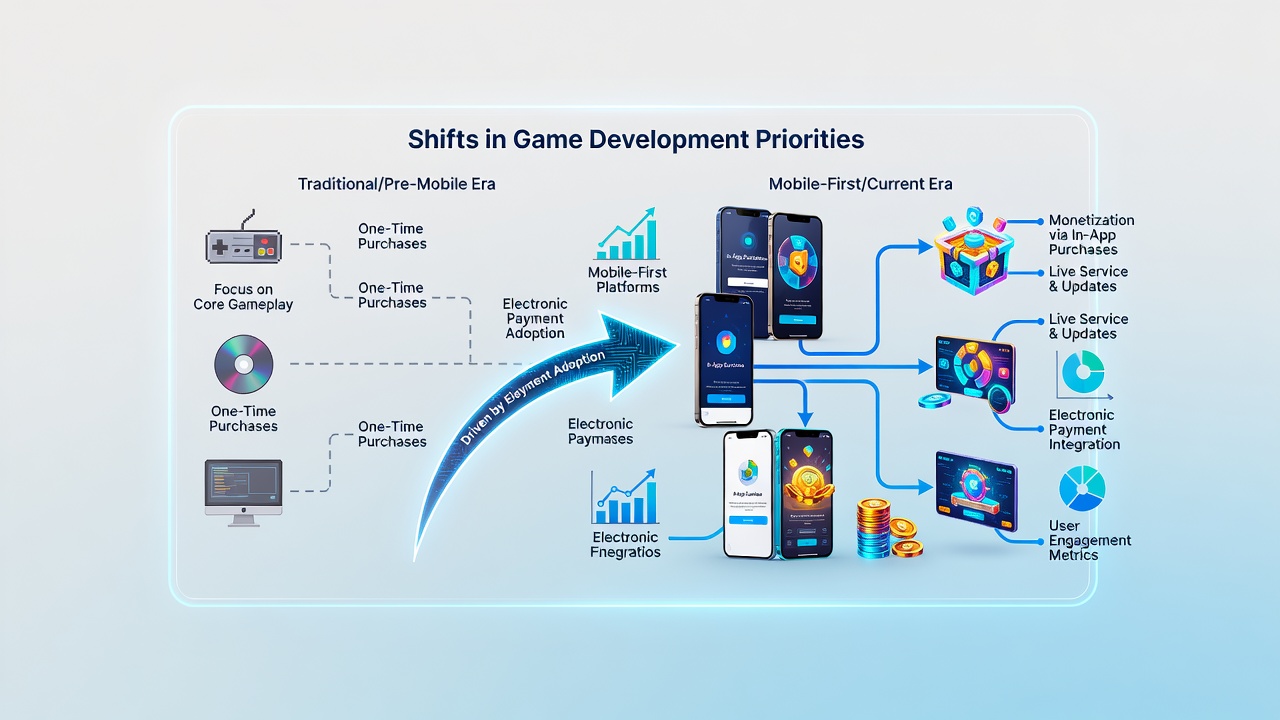
Data from industry monitoring groups shows that electronic payment systems have expanded rapidly across mobile-first gaming platforms since 2024, with adoption rates climbing steadily through June 2026 in multiple regions, and this growth correlates with observable reallocations of development resources among studios creating slot and casino-style titles. Observers note that teams now allocate more time to features supporting instant transaction flows rather than traditional bonus structures alone, while mobile optimization receives heightened attention because seamless wallet connections influence player retention metrics according to aggregated platform reports.
Resource Allocation Patterns Emerging in Development Studios
Studies tracking studio workflows indicate that developers have redirected engineering hours toward backend integrations with digital wallets and instant funding tools, a move that began accelerating after widespread mobile payment infrastructure upgrades in late 2025. Teams previously focused on visual asset production now split efforts between graphics pipelines and payment protocol compatibility testing, whereas quality assurance groups conduct extended trials on transaction latency under varying network conditions. What's interesting is how this rebalancing appears across both large publishers and smaller independent creators, with figures from European trade associations revealing that nearly 60 percent of mobile gaming projects listed payment flow refinements among their top three priorities by early 2026.
Feature Prioritization Shifts
Game mechanics themselves reflect these payment-driven changes, as studios emphasize real-time reward delivery systems that sync directly with electronic deposit confirmations rather than delayed payout animations. Volatility models undergo adjustments to accommodate shorter session lengths common among users of instant-play environments, and designers incorporate dynamic multiplier triggers tied to funding events instead of static reel configurations. Research conducted by Canadian regulatory analysts found that titles released after March 2026 incorporated an average of 35 percent more payment-responsive elements compared with equivalents from the prior year, a pattern that aligns with broader platform data on user engagement following successful wallet linkages.
Technical Integrations Driving Workflow Changes
Engineers now embed application programming interfaces for multiple electronic payment providers during early prototyping stages, which alters the sequence of development milestones and requires closer collaboration between creative and financial technology specialists. Mobile-first platforms benefit particularly because device-native payment methods reduce friction, prompting studios to test hybrid live elements that activate upon successful micro-transactions. Data compiled by the American Gaming Association highlights that studios reporting such integrated workflows experienced measurable reductions in post-launch patch frequency related to payment errors, allowing teams to redirect subsequent updates toward content expansions.
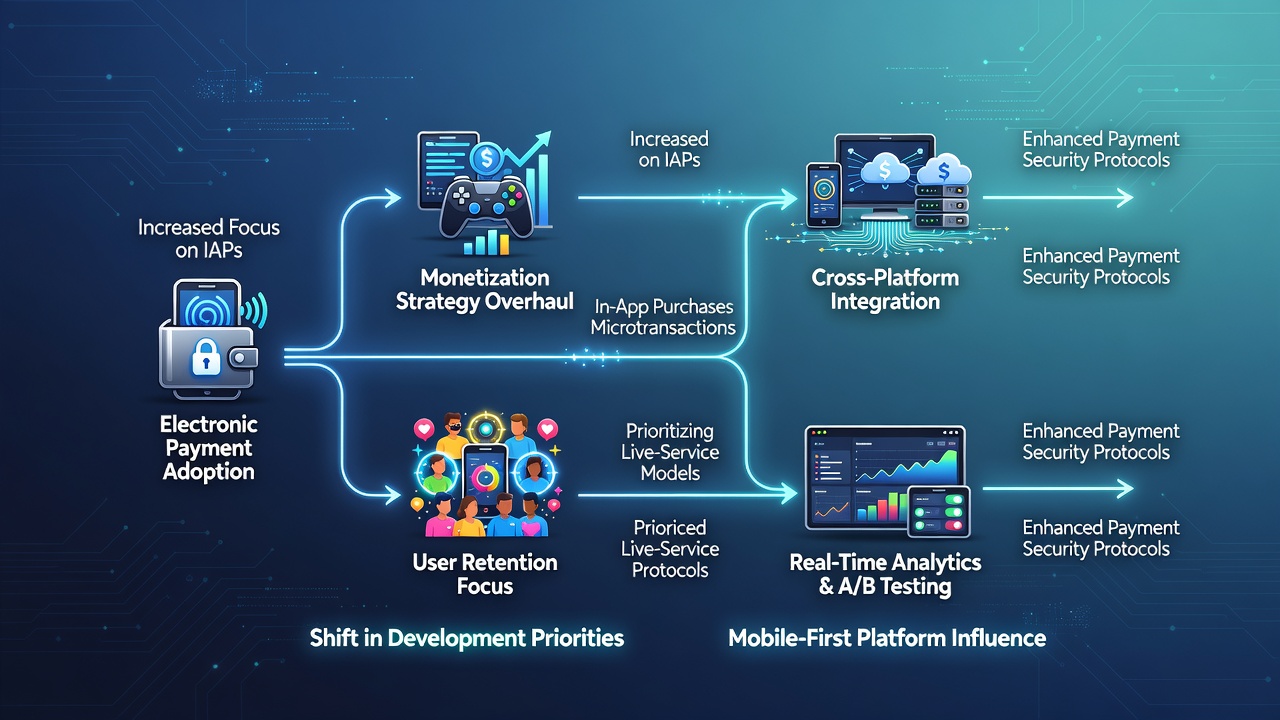
Cross-platform synchronization also gains emphasis, since users expect consistent payment states across phones, tablets, and emerging handheld devices, and this consistency demands unified data architectures that studios had previously deprioritized. Observers tracking release schedules note that several major providers delayed full launches in spring 2026 specifically to refine these payment-linked systems, resulting in more stable initial deployments once titles reached markets in Australia and parts of Asia.
Regional Variations in Development Responses
North American studios appear to lead in adopting real-time analytics dashboards that monitor payment conversion rates alongside gameplay metrics, whereas European counterparts concentrate on compliance layers that embed regulatory reporting directly into transaction streams. Australian developers, according to industry summaries from regional oversight bodies, have introduced modular design frameworks allowing rapid swaps of payment gateways without full engine recompilations, a tactic that shortens iteration cycles. These geographic differences produce distinct title libraries, yet all reflect the underlying influence of electronic payment maturity on how resources get distributed during production.
Conclusion
Electronic payment adoption continues to reshape development roadmaps in measurable ways, with studios reallocating personnel, adjusting feature sets, and refining technical pipelines to match transaction speed expectations prevalent in mobile environments as of June 2026. Platform operators and creators alike track these evolutions through shared performance indicators, producing titles that integrate funding mechanisms more tightly with core gameplay loops while maintaining focus on regulatory and technical compatibility across borders.