8 Jul 2026
Banking Solutions Transforming Volatility Dynamics in Multi-Studio Casino Platforms
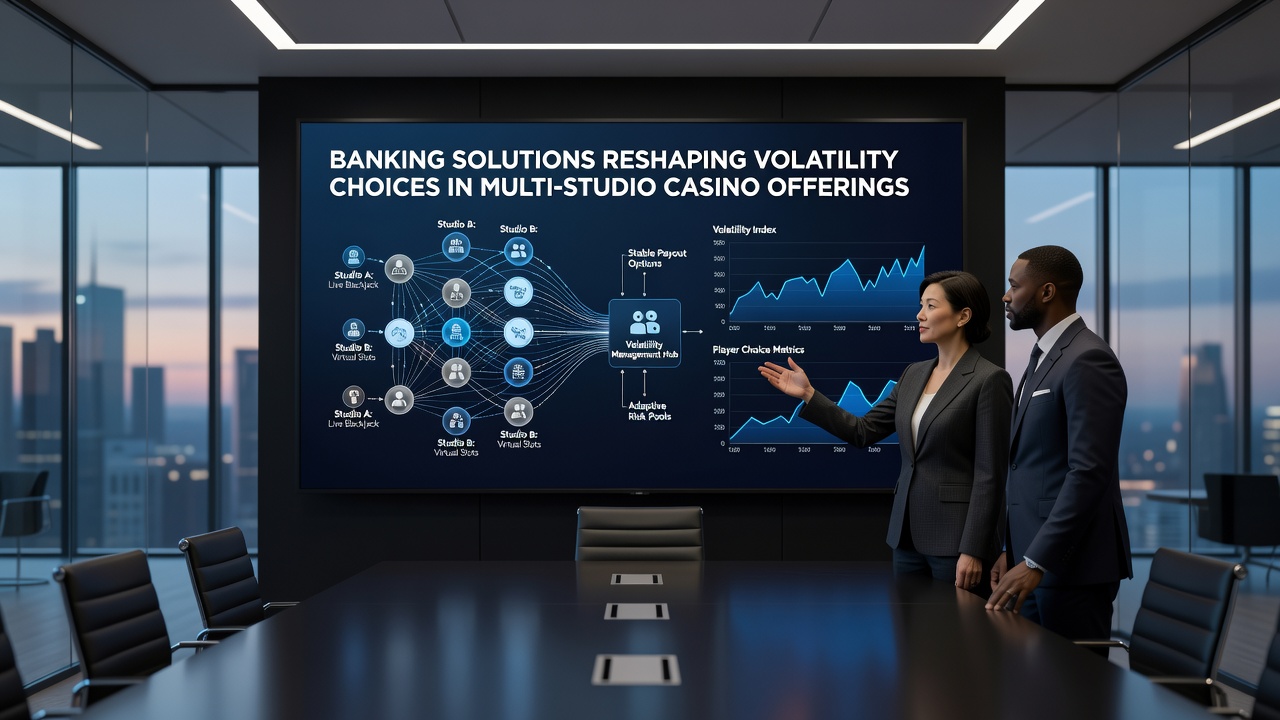
 Banking solutions continue to reshape how casino operators manage volatility choices across multiple game studios, and the connections run deeper than transaction processing alone. Digital payment systems now feed data directly into game design pipelines, allowing studios to calibrate risk levels based on funding patterns that emerge from instant deposit environments. Operators track these patterns through centralized dashboards that aggregate information from various providers, and this integration has accelerated since early 2025 when several major platforms began linking wallet APIs to volatility engines. Multi-studio setups typically involve three or more independent development teams working under one casino brand, each contributing slots with distinct mathematical models. Banking integrations supply the real-time metrics that let operators shift between low, medium, and high volatility offerings without rebuilding entire game libraries. Data from transaction logs reveals player preferences for quicker funding cycles, and studios respond by adjusting hit frequencies and bonus structures accordingly. Research from the University of Nevada's gaming analytics program shows that platforms using synchronized payment and volatility tools recorded a 17 percent increase in session retention during the second quarter of 2026.
Transaction Velocity and Studio Resource Allocation
Payment speed directly influences how resources get distributed among studios operating under the same umbrella. When deposits clear in under three seconds, operators gain clearer signals about which volatility tiers attract repeat play, and they reallocate marketing budgets toward those categories. Studios that once operated in isolation now share volatility adjustment protocols tied to the same banking backend, creating unified decision frameworks that reduce duplication in testing cycles. Figures released by the Nevada Gaming Control Board indicate that multi-studio operators adopting these linked systems completed volatility recalibrations 22 percent faster than those relying on traditional batch processing methods.
Digital Wallet Protocols and Volatility Calibration
Wallet integrations enable operators to layer volatility options onto existing game catalogs without requiring players to navigate separate funding steps. A single authentication flow can surface multiple volatility profiles drawn from different studios, and the backend adjusts payout tables based on aggregated wallet activity across regions. Observers note that this approach gained traction in July 2026 when several European operators expanded their multi-studio portfolios to include dynamic volatility toggles triggered by deposit velocity thresholds. The result appears in session data where players encounter tailored risk levels that match their historical funding behavior rather than fixed game parameters.
Regulatory Frameworks Guiding Integration Standards
Regulatory bodies across different jurisdictions have begun outlining standards for how banking data may inform volatility decisions. The New Jersey Division of Gaming Enforcement released updated technical specifications in March 2026 that require operators to maintain audit trails linking payment events to volatility modifications. These rules encourage transparency while allowing studios flexibility in responding to market signals derived from transaction records. Similar guidelines from the Australian Communications and Media Authority emphasize separation between payment processing and game mathematics, yet they permit aggregated insights that help operators balance offerings across multiple development teams.
Provider Collaboration Patterns in 2026
Slot developers working within multi-studio environments increasingly coordinate volatility strategies through shared banking dashboards rather than isolated design meetings. One documented case involved three studios adjusting high-volatility features simultaneously after transaction data showed increased funding during peak evening hours across several time zones. This coordination reduced redundant testing and allowed quicker deployment of revised math models. Industry reports from the European Gaming and Betting Association highlight that such collaborative adjustments contributed to a measurable uptick in cross-studio player migration during the first half of 2026.
Future Trajectories for Banking-Volatility Linkages
Continued expansion of real-time banking solutions points toward more granular control over volatility parameters in multi-studio settings. Operators now explore predictive models that anticipate funding patterns and pre-adjust volatility ranges before peak activity periods. These models draw from historical transaction datasets rather than player identity information, maintaining compliance with data protection requirements. As platforms scale, the ability to synchronize volatility choices across studios through unified banking infrastructure becomes a standard operational feature rather than an experimental add-on.
Conclusion
Banking solutions provide the data backbone that lets multi-studio casino operators refine volatility selections with greater precision. Transaction metrics flow directly into design and allocation decisions, and regulatory updates continue to shape how those flows translate into game adjustments. The patterns established through 2026 demonstrate measurable impacts on resource distribution and player engagement metrics across diverse regulatory landscapes.