23 May 2026
Algorithm-Driven Free Spin Distribution in Jackpot Series via Instant Funding Mechanisms
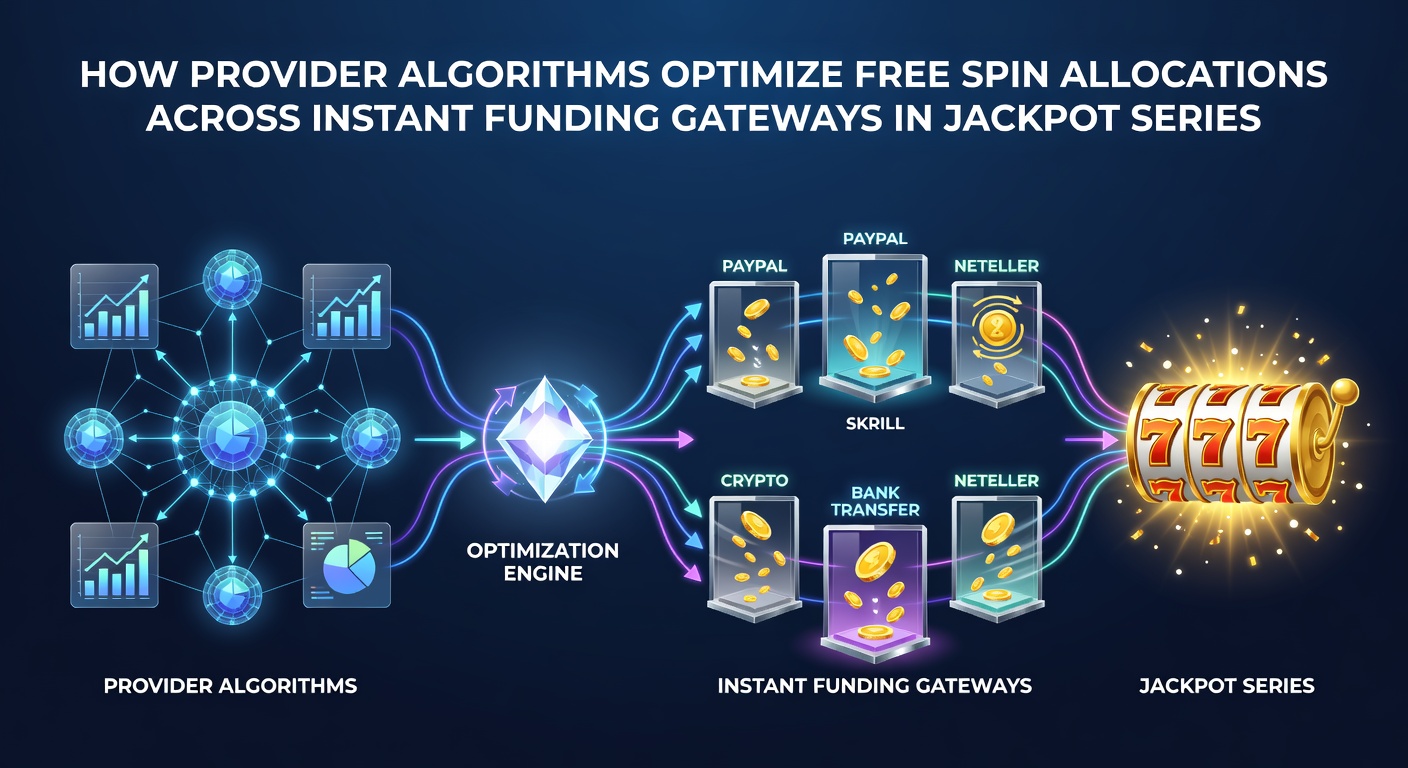
Slot providers employ sophisticated algorithms to allocate free spins within jackpot series games that connect to instant funding gateways, and these systems process player deposits in real time while adjusting bonus distributions based on predefined parameters. Research from industry reports indicates that such algorithms evaluate factors including player activity levels, game volatility metrics, and gateway transaction speeds to determine spin quantities and timing. Data shows that integration with instant funding methods allows providers to synchronize free spin releases with deposit confirmations, which reduces latency and maintains engagement across multiple jackpot tiers.
Core Components of Provider Algorithms
Algorithms in this domain typically incorporate machine learning models that analyze historical gameplay patterns alongside current session data, and they adjust free spin allocations dynamically as players move through jackpot series stages. Observers note that these models weigh variables such as recent win frequencies, deposit amounts processed through gateways, and remaining jackpot contribution thresholds before issuing spins. Studies from gaming technology firms reveal that real-time processing capabilities enable the system to trigger additional spins when funding gateways detect high-volume transactions, thereby linking payment velocity directly to bonus mechanics.
One study revealed that providers using these methods achieve more consistent distribution across player segments, and the approach relies on feedback loops that update allocation rules after each transaction cycle. Those who've examined the underlying code structures know that decision trees branch according to gateway response times, which ensures spins reach eligible accounts without delay during peak activity periods in May 2026.
Integration with Instant Funding Gateways
Instant funding gateways serve as the bridge between player accounts and game servers, and algorithms optimize spin allocations by monitoring gateway throughput metrics in conjunction with jackpot progression trackers. Evidence suggests that when a gateway processes a deposit within milliseconds, the system can immediately credit spins proportional to the transaction size and the player's position in the jackpot series. Figures from regulatory filings demonstrate that this synchronization maintains compliance with jurisdictional payout requirements while supporting the rapid release of bonuses.
Key Optimization Factors
- Transaction speed thresholds that trigger scaled spin packages
- Jackpot contribution percentages tied to gateway confirmation signals
- Player segmentation rules based on funding frequency and volume
- Volatility adjustments that balance spin distribution across series stages
What's interesting is how providers calibrate these factors to align with specific jackpot series structures, and data indicates that cross-referencing gateway logs with spin issuance records helps identify patterns that refine future allocations. Researchers discovered that incorporating predictive elements allows the algorithm to anticipate funding surges during promotional windows, such as those scheduled around major events in May 2026, and preemptively adjust spin pools accordingly.
Technical Implementation Across Jackpot Series
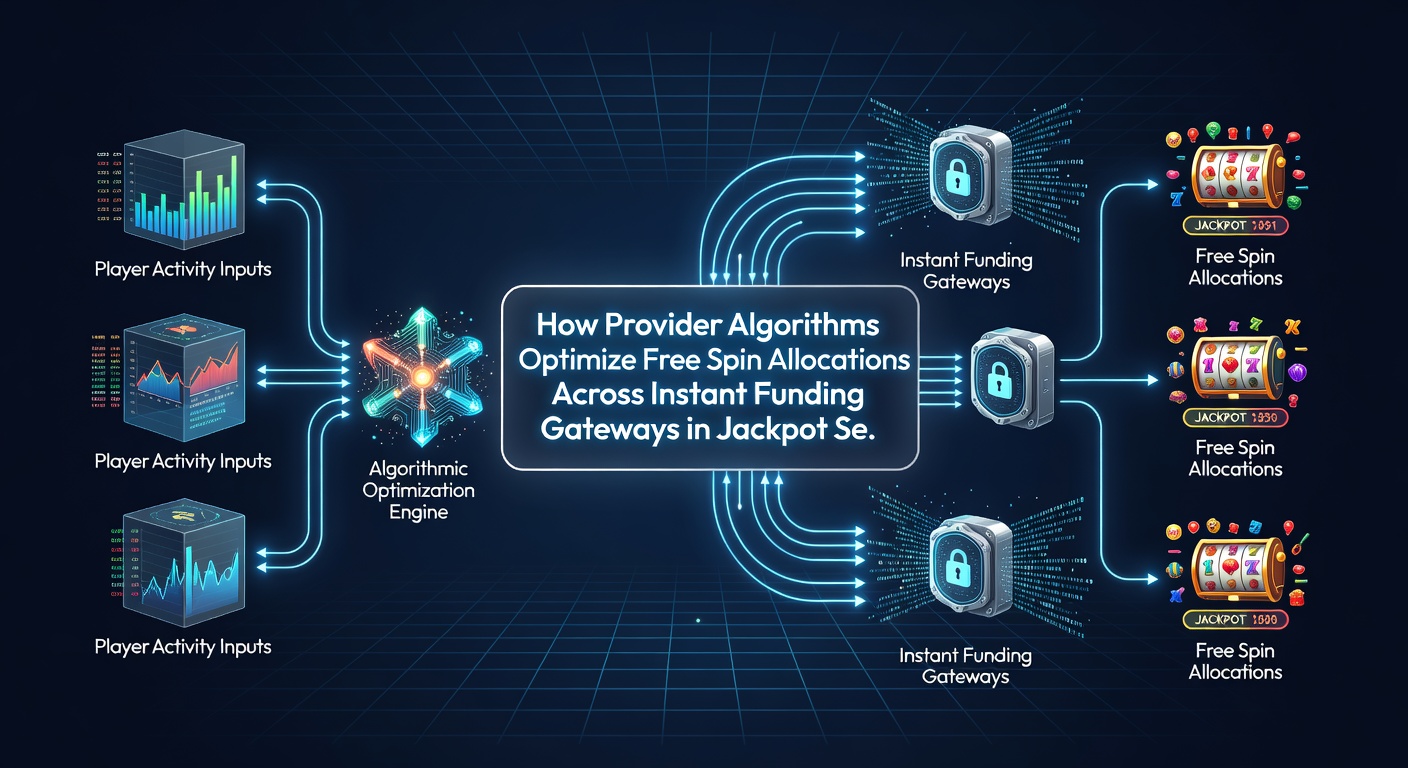
Jackpot series often feature interconnected games where free spins contribute to progressive meters, and provider algorithms coordinate allocations to ensure spins enhance both individual gameplay and collective jackpot growth. According to technical documentation from software developers, the system uses API endpoints from funding gateways to receive transaction events, then applies allocation matrices that factor in series-specific multipliers and eligibility criteria. This process occurs without interrupting ongoing sessions, which keeps players within the jackpot ecosystem.
But here's the thing: when multiple gateways operate simultaneously, the algorithm prioritizes based on speed and reliability metrics, routing spin credits through the most efficient channel available. Data from operational reviews shows that this prioritization reduces failed allocations and maintains series integrity across regions governed by bodies such as the New Jersey Division of Gaming Enforcement. Observers note that similar frameworks appear in other markets, including oversight from the Gaming Standards Association guidelines that emphasize secure data exchange protocols.
Performance Metrics and Adjustments
Performance tracking involves continuous monitoring of spin redemption rates, jackpot hit frequencies, and gateway uptime statistics, and algorithms incorporate these metrics to recalibrate allocation rules on scheduled intervals. Evidence from system audits indicates that providers who implement adaptive learning components see improved alignment between funding activity and spin utilization during extended jackpot series events. Those monitoring industry trends know that updates often occur ahead of seasonal peaks, including preparations documented for May 2026 cycles.
Take one developer team that integrated gateway latency data into their allocation model, and the result was a measurable decrease in unclaimed spins across tested jackpot titles. The approach connects payment processing velocity with bonus delivery timing, which supports sustained player progression through series levels without manual intervention.
Conclusion
Provider algorithms that optimize free spin allocations across instant funding gateways represent a convergence of payment technology and game design within jackpot series environments, and ongoing refinements continue to shape how these systems respond to transaction patterns and series milestones. Data indicates that the integration supports efficient, compliant operations while enabling providers to maintain balanced distribution across player bases. As funding gateways evolve and jackpot structures expand, the underlying algorithmic frameworks adapt through iterative updates that draw on operational feedback and regulatory standards from multiple jurisdictions.